
7 Non-Surgical Options for Knee Pain in Quincy, IL and Hannibal, MO

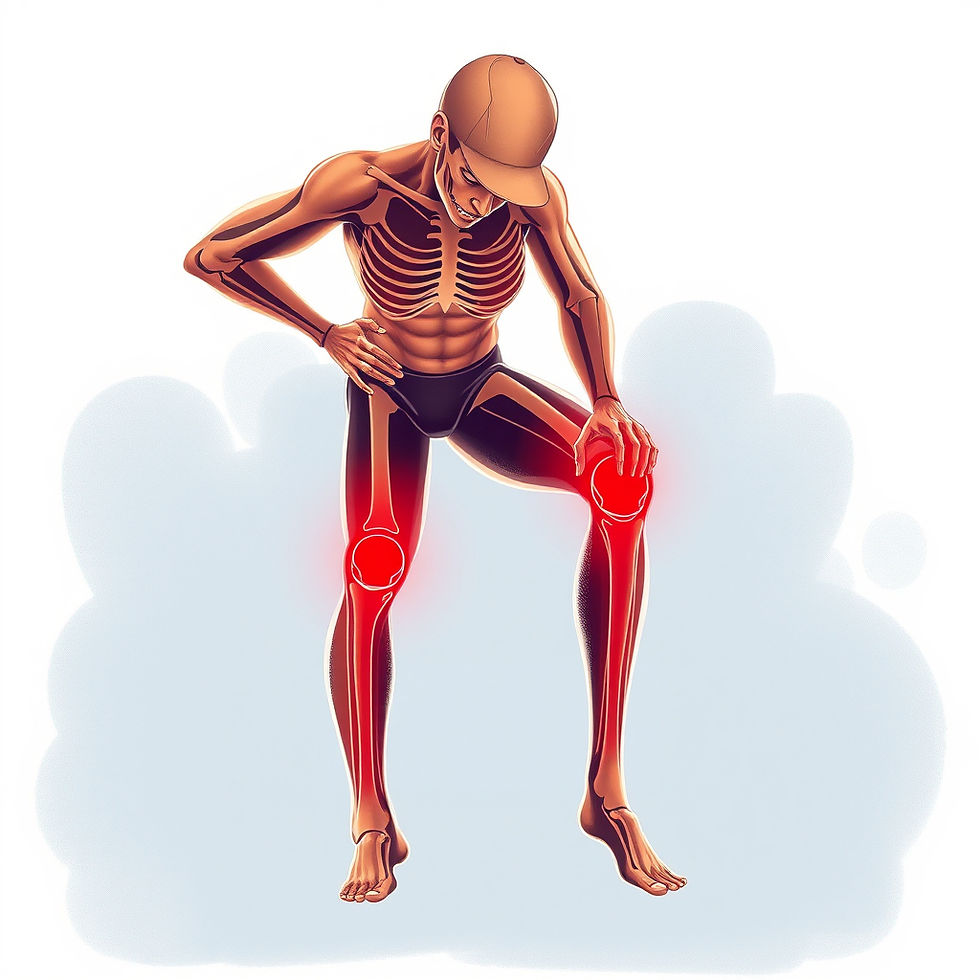
Knee pain can make everyday life harder than it needs to be. Simple things like walking, going up and down stairs, getting out of a chair, working around the house, exercising, or enjoying time with family can become frustrating when your knee does not feel stable, strong, or comfortable.
Many people in Quincy, IL, Hannibal, MO, Palmyra, MO, and the surrounding Tri-State area are looking for ways to help knee pain without immediately turning to surgery, injections, or long-term medication. While some knee problems do require orthopedic evaluation, many people benefit from starting with a conservative, non-surgical approach first.
The key is not just chasing knee pain. The better question is: why is the knee irritated in the first place? Sometimes the knee itself is the problem. Other times, the knee is being overloaded because the feet, ankles, hips, pelvis, low back, or movement patterns are not working properly.
Quick Answer: What Are Non-Surgical Options for Knee Pain?
Non-surgical knee pain options may include a proper knee and movement evaluation, chiropractic care for lower body mechanics, knee joint mobilization, laser therapy, shockwave therapy, acupuncture, corrective exercise, and home care. The best approach depends on the cause of the knee problem, how long it has been going on, and whether the pain is coming directly from the knee or from poor function in the surrounding joints and muscles.
Below are seven non-surgical knee pain options to consider if you are looking for conservative knee care near Quincy, IL, Hannibal, MO, Palmyra, MO, or the surrounding area.
1. A Proper Knee and Movement Evaluation
The first step in any good knee pain plan is figuring out what is actually causing the problem.
Many people assume knee pain is always caused by arthritis, cartilage damage, or “getting older.” While those may be factors, they are not the whole story. Knee pain can also be related to poor joint mechanics, muscle imbalance, old injuries, poor walking patterns, foot and ankle problems, hip restriction, pelvic imbalance, or compensation from the low back.
A proper knee evaluation should look at more than just the painful spot. It should include how the knee bends, straightens, rotates, and handles weight-bearing movement. It should also include how the patient walks, squats, steps, balances, and loads the joint.
For example, a person may feel pain on the inside of the knee, but the deeper issue may be poor hip control, a restricted ankle, or poor pelvic mechanics. If those problems are missed, the knee may continue to be irritated even after rest, medication, or generic exercises.
A good knee and movement evaluation may include:
Range of motion testingOrthopedic knee testsWalking and gait assessmentBalance testingHip and ankle mobility checksPelvic and low back evaluationMuscle strength testingFunctional movement screeningReview of prior injuries or imaging
This step matters because the right care plan depends on the right understanding of the problem. If the knee is only treated as an isolated joint, the patient may miss the bigger picture.
Best for:People with recurring knee pain, stiffness, swelling, clicking, weakness, trouble with stairs, pain while walking, or knee pain that keeps coming back.
2. Chiropractic Care for Lower Body Mechanics
Many people think chiropractic care is only for the spine, but the knees are strongly influenced by the low back, pelvis, hips, ankles, and feet.
The knee is located between the hip and the foot. That means it often gets caught in the middle. If the hip is not moving well, the knee may twist or compensate. If the ankle is stiff, the knee may absorb more stress. If the pelvis or low back is not functioning properly, the muscles that control the leg may not work efficiently.
This is why some knee pain patients do not respond well when only the knee is treated. The knee may be painful, but the stress may be coming from above or below the joint.
Chiropractic care may help improve how the body moves as a connected system. The goal is not just to “crack the back.” The goal is to improve function, reduce compensation, and help the joints and muscles work together more efficiently.
For knee pain, chiropractic care may involve evaluating and addressing:
Low back functionPelvic alignment and mobilityHip joint motionAnkle and foot mechanicsWalking patternsMuscle firing patternsPostural stressCompensation from old injuries
When lower body mechanics improve, the knee may experience less abnormal stress. This can be especially important for patients who have pain with walking, standing, stairs, squatting, exercising, or getting up from a seated position.
Best for:Knee pain that is worse with movement, recurring flare-ups, poor walking mechanics, hip tightness, low back problems, or pain that has not improved with knee-only treatment.
3. Knee Joint Mobilization or Adjustment
The knee itself can lose normal motion. When this happens, the joint may feel stiff, compressed, irritated, unstable, or “locked up.”
A healthy knee should bend, straighten, glide, and rotate slightly during normal movement. When one part of that motion is restricted, other tissues may become overloaded. This can increase stress on the joint, muscles, tendons, ligaments, and surrounding soft tissue.
Knee joint mobilization or adjustment is designed to improve restricted motion in the knee. This does not mean forcing the joint or doing anything aggressive. In conservative care, the goal is usually gentle, specific movement designed to help the knee function better.
Patients with knee stiffness often describe symptoms such as:
Difficulty fully bending the kneeDifficulty fully straightening the kneeA tight or compressed feelingPain with stairsPain when getting out of a chairClicking, grinding, or catchingA feeling that the knee does not move smoothly
Knee mobilization may be especially helpful when combined with other care. For example, a patient may receive knee mobilization along with chiropractic care, soft tissue work, laser therapy, acupuncture, shockwave therapy, or corrective exercise.
The goal is not just temporary relief. The goal is to help the knee move better so that daily activity places less stress on irritated tissues.
Best for:Stiff knees, arthritic knees, old knee injuries, limited range of motion, knees that feel compressed, or knees that do not move smoothly.
4. Laser Therapy
Laser therapy is a non-invasive option used in many conservative care clinics for joint and soft tissue problems. It is often used to support tissue healing, circulation, and inflammation control.
For knee pain, laser therapy may be used when the patient has arthritis-related discomfort, tendon irritation, ligament irritation, soft tissue strain, or chronic inflammation around the joint. Many patients like laser therapy because it is gentle, does not involve medication, and typically does not require downtime.
Laser therapy is usually applied directly over or around the irritated area. The goal is to support the body’s natural healing processes and help irritated tissues recover more efficiently.
However, laser therapy should not be viewed as a stand-alone miracle treatment. It is often most effective when combined with a complete plan that also addresses joint mechanics, movement patterns, strength, and home care.
For example, if a patient has knee pain because of poor hip mechanics and weak glute muscles, laser therapy may help calm the irritated tissue, but the underlying movement problem still needs to be addressed. That is why a complete knee program should look at both comfort and function.
Laser therapy may be considered for:
Chronic knee irritationArthritis-related knee discomfortTendon irritationSoft tissue inflammationPost-injury supportStiffness and sorenessPatients wanting a gentle, drug-free option
The major advantage of laser therapy is that it can be layered into a broader conservative care plan. It may help reduce irritation while the patient works on improving movement, strength, and function.
Best for:Knee arthritis, chronic irritation, soft tissue inflammation, tendon problems, stiffness, and patients who want a gentle non-surgical option.
5. Shockwave Therapy
Shockwave therapy is another non-surgical option that may be used for stubborn soft tissue problems. It is commonly used in conservative care for chronic tendon issues, scar tissue, ligament irritation, and areas that have not responded well to rest alone.
For knee pain, shockwave therapy may be considered when the problem involves tissues around the knee rather than only the joint surface itself. This may include tendon irritation, chronic soft tissue tightness, old injury patterns, or tissue that has become irritated over time.
Shockwave therapy works differently from laser therapy. While laser therapy is often gentle and soothing, shockwave therapy is usually more stimulating. The goal is to encourage a healing response in tissues that may be stuck in a chronic irritated state.
Some patients feel mild discomfort during treatment, depending on the area being treated and how sensitive the tissue is. Treatment intensity can usually be adjusted based on the patient’s tolerance.
Shockwave therapy may be used for knee-related issues such as:
Chronic tendon irritationPatellar tendon problemsQuadriceps tendon irritationSoft tissue restrictionsScar tissueOld injury patternsPain around the kneecapStubborn symptoms that keep returning
Like laser therapy, shockwave therapy is often best used as part of a larger care plan. If the knee is being overloaded because of poor mechanics, weakness, or restricted mobility, those issues still need to be corrected.
The benefit of shockwave therapy is that it may help stubborn tissues respond when they have not improved with rest, stretching, or basic home care alone.
Best for:Chronic knee pain, tendon irritation, old soft tissue injuries, scar tissue, and stubborn knee symptoms that keep coming back.
6. Acupuncture
Acupuncture has been used for many years as a conservative option for pain control, circulation, muscle relaxation, inflammation patterns, and nervous system regulation.
For knee pain, acupuncture may be used locally around the knee or combined with points elsewhere in the body. Some patients respond well when acupuncture is used to calm irritated tissue, reduce muscle guarding, and support the body’s natural healing response.
One of the strengths of acupuncture is that it can be combined with other non-surgical treatments. It does not have to replace chiropractic care, laser therapy, shockwave therapy, knee mobilization, or corrective exercise. In many cases, it can support the overall plan.
Acupuncture may be especially helpful for patients who have chronic pain patterns, muscle tension, inflammation, stress-related aggravation, or sensitivity that makes exercise difficult at first.
For example, if a patient has knee pain that has been present for months or years, the nervous system may become more sensitive. The knee may hurt more easily, muscles may tighten around the joint, and the body may protect the area even when the original injury has already healed. Acupuncture may help calm some of that protective response.
Acupuncture for knee pain may help support:
Pain modulationMuscle relaxationCirculationInflammation controlNervous system balanceRecovery between treatmentsImproved tolerance to movement
Patients who prefer drug-free and natural options often appreciate acupuncture because it fits well into a conservative care model.
Best for:Chronic knee pain, arthritis-related discomfort, muscle tension, inflammation patterns, sensitivity, and patients interested in natural supportive care.
7. Corrective Exercise and Home Care
Office treatment is important, but what happens between visits matters too.
Corrective exercise and home care help support longer-term improvement by strengthening the muscles that protect the knee, improving balance, restoring mobility, and teaching the body better movement patterns.
The mistake many people make is doing random knee exercises they find online. One person may need strengthening. Another may need mobility. Another may need balance work. Another may need to calm the knee down before exercising more aggressively.
The right exercises depend on the patient’s condition, age, activity level, pain level, strength, mobility, and goals.
Corrective exercise for knee pain may include:
Quadriceps strengtheningHamstring strengtheningGlute activationHip stability exercisesCalf strengtheningBalance trainingMobility workGentle range of motionWalking mechanicsStair trainingLow-impact conditioning
Home care may also include activity modification, ice or heat recommendations, footwear advice, stretching guidance, and simple movement habits to reduce unnecessary stress on the knee.
The goal is not just to give the patient a sheet of exercises. The goal is to give the right exercises at the right time.
For example, a patient with a highly irritated knee may not be ready for squats or lunges. That person may need gentle mobility, laser therapy, acupuncture, or joint work first. Another patient may have very little pain but poor stability, and that person may need more strengthening and balance work.
Corrective exercise helps turn short-term improvement into longer-term function.
Best for:Weakness, instability, poor balance, recurring knee pain, trouble with stairs, difficulty getting up from chairs, and patients who want better long-term knee function.
Knee Pain Help Near Quincy, IL, Hannibal, MO, and Palmyra, MO
If you are looking for non-surgical knee pain options near Quincy, IL, Hannibal, MO, Palmyra, MO, Canton, MO, Monroe City, MO, or the surrounding Tri-State area, conservative care may be a good first step.
At Pro Active Chiropractic Center, Dr. Scott Stiffey evaluates how the knee is functioning along with the low back, pelvis, hips, ankles, feet, and overall movement patterns. This is important because knee pain is not always just a knee problem.
A complete conservative knee approach may include chiropractic care, knee joint mobilization, laser therapy, shockwave therapy, acupuncture, corrective exercise, and home care recommendations. The goal is to improve function, reduce unnecessary stress on the knee, and help patients move better.
Whether your knee pain is affecting your walking, stairs, work, exercise, or daily activities, a proper evaluation can help determine whether a non-surgical knee pain program may be appropriate for you.
Schedule a Consultation
If knee pain is limiting your daily life, you do not have to ignore it or assume surgery is your only option.
Schedule a consultation with Dr. Scott Stiffey at Pro Active Chiropractic Center to see whether conservative knee care may be a good fit for your condition.
Pro Active Chiropractic Center serves patients from Palmyra, MO, Quincy, IL, Hannibal, MO, Canton, MO, Monroe City, MO, and the surrounding Tri-State area.
Frequently Asked Questions About Non-Surgical Knee Pain Care
What is the best non-surgical treatment for knee pain?
The best non-surgical treatment depends on the cause of the knee pain. Some people need joint mobility work. Others need soft tissue therapy, chiropractic care, laser therapy, shockwave therapy, acupuncture, corrective exercise, or a combination of several options.
A proper evaluation is important because knee pain can come from the knee itself or from poor mechanics in the hips, pelvis, low back, ankles, or feet.
Can knee pain improve without surgery?
Many knee problems can improve with conservative care, especially when the pain is related to joint mechanics, soft tissue irritation, weakness, inflammation, poor movement, or compensation patterns.
However, severe injuries, advanced joint damage, major instability, or certain medical conditions may still require orthopedic or medical evaluation.
Is chiropractic care used for knee pain?
Yes. Chiropractic care may be used to evaluate and improve lower body mechanics, including the low back, pelvis, hips, knees, ankles, and feet.
The goal is to reduce abnormal stress on the knee and help the body move more efficiently.
Is knee decompression a non-surgical option?
Knee decompression may be used in some conservative knee care programs to help reduce joint compression and improve comfort. It is often combined with other therapies such as chiropractic care, laser therapy, shockwave therapy, acupuncture, and corrective exercise.
Is laser therapy good for knee pain?
Laser therapy may help support tissue healing, circulation, and inflammation control. It is often used for knee arthritis, tendon irritation, soft tissue inflammation, and chronic joint discomfort.
It is usually best when combined with a full plan that also addresses movement and function.
Is shockwave therapy used for knee pain?
Shockwave therapy may be used for chronic soft tissue irritation, tendon problems, scar tissue, and stubborn knee symptoms that have not responded well to rest or basic home care.
It may be helpful when the pain involves tissues around the knee rather than only the joint itself.
Can acupuncture help knee pain?
Acupuncture may help support pain control, muscle relaxation, circulation, inflammation patterns, and nervous system balance. It can be used by itself or combined with chiropractic care, laser therapy, shockwave therapy, and corrective exercise.
When should I get my knee checked?
You should consider getting your knee checked if pain lasts more than a few days, keeps coming back, causes swelling, affects walking, limits stairs, causes instability, or prevents you from doing normal activities.
You should seek urgent medical care if you have severe injury, major swelling, inability to bear weight, signs of infection, sudden calf pain, or significant trauma.
About Dr. Scott Stiffey
Dr. Scott Stiffey is a chiropractor and acupuncturist at Pro Active Chiropractic Center, serving patients from Palmyra, MO, Quincy, IL, Hannibal, MO, and the surrounding Tri-State area.
Dr. Stiffey focuses on helping patients improve function through chiropractic care, acupuncture, decompression, knee programs, and conservative treatment options. His approach looks beyond symptoms to evaluate how the body is moving, compensating, and functioning as a whole.


Comments